The Mystery of Black Holes
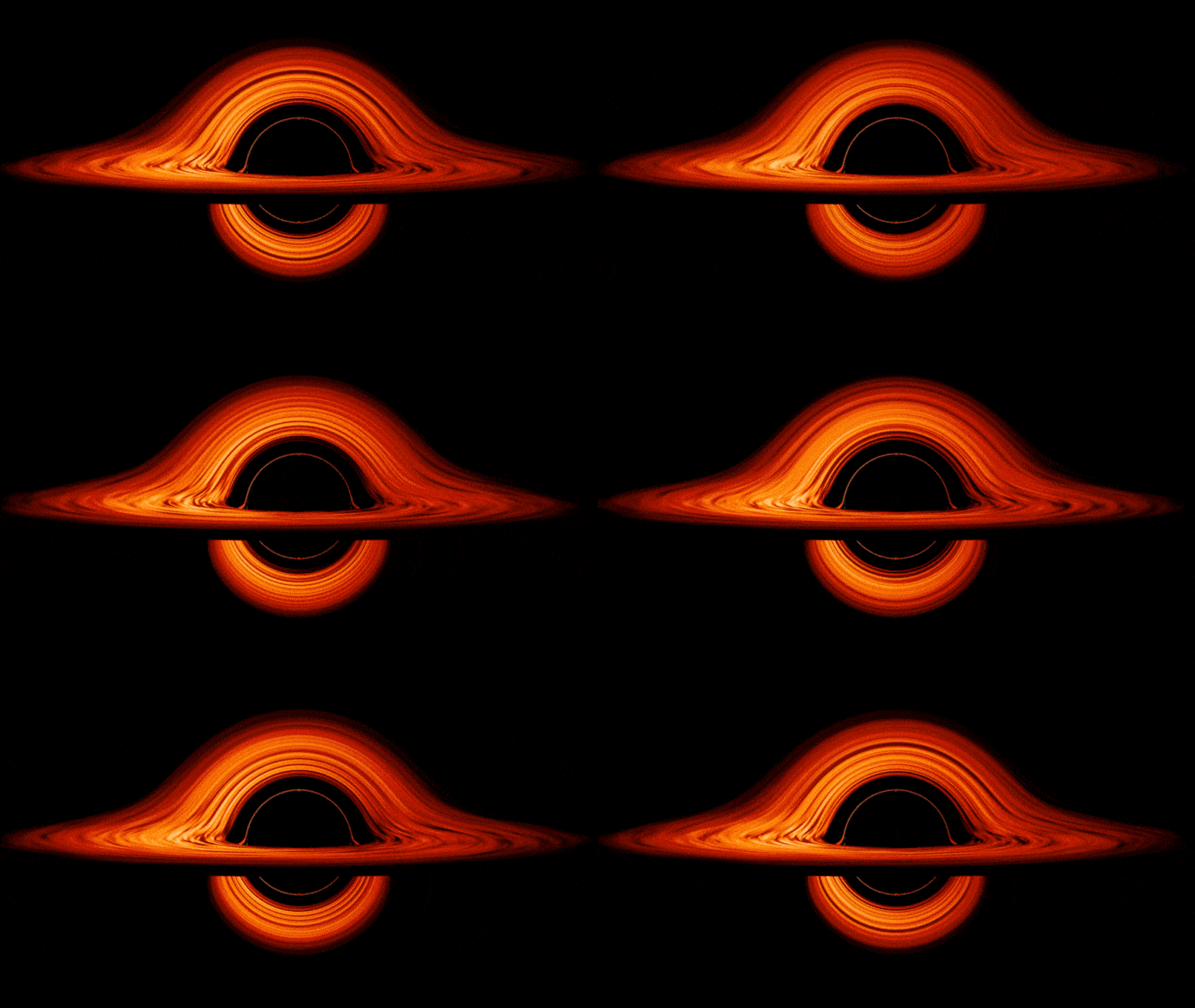
“Discover how the James Webb Space Telescope is revolutionizing our understanding of the universe, from capturing the deepest images of early galaxies to analyzing the atmospheres of distant exoplanets.”
The James Webb Space Telescope (JWST) is not just a telescope; it is a time machine. Launched on December 25, 2021, this marvel of engineering has completely changed the way we look at the universe.
A New Eye in the Sky
Unlike the Hubble Space Telescope, which orbits close to Earth, Webb orbits the Sun about 1.5 million kilometers away at a location called the second Lagrange point (L2). This distant orbit keeps its sensitive instruments extremely cold and free from the interference of Earth's heat and light.
The Golden Mirrors
The most iconic feature of Webb is its massive primary mirror, which is 6.5 meters wide. It is made of 18 hexagonal segments coated in a microscopic layer of gold. Why gold? Because gold is excellent at reflecting infrared light, which is exactly what Webb is designed to see.
Looking Back in Time
Because light takes time to travel, looking at distant objects means looking into the past. Webb's incredible sensitivity allows it to see light from the very first galaxies that formed just a few hundred million years after the Big Bang. It is literally capturing the baby pictures of the universe.
Exploring Alien Worlds
Beyond distant stars and galaxies, Webb also looks at exoplanets—planets orbiting other stars. By analyzing the starlight that passes through an exoplanet's atmosphere, Webb can detect the chemical signatures of gases like water vapor, carbon dioxide, and even methane. This brings us one step closer to finding out if we are alone in the universe.
Source: NASA / ESA
Galaxander Team
Dedicated to translating the mysteries of celestial mechanics, astrophysics, and deep space telemetry into compelling insights for stargazers across the globe.